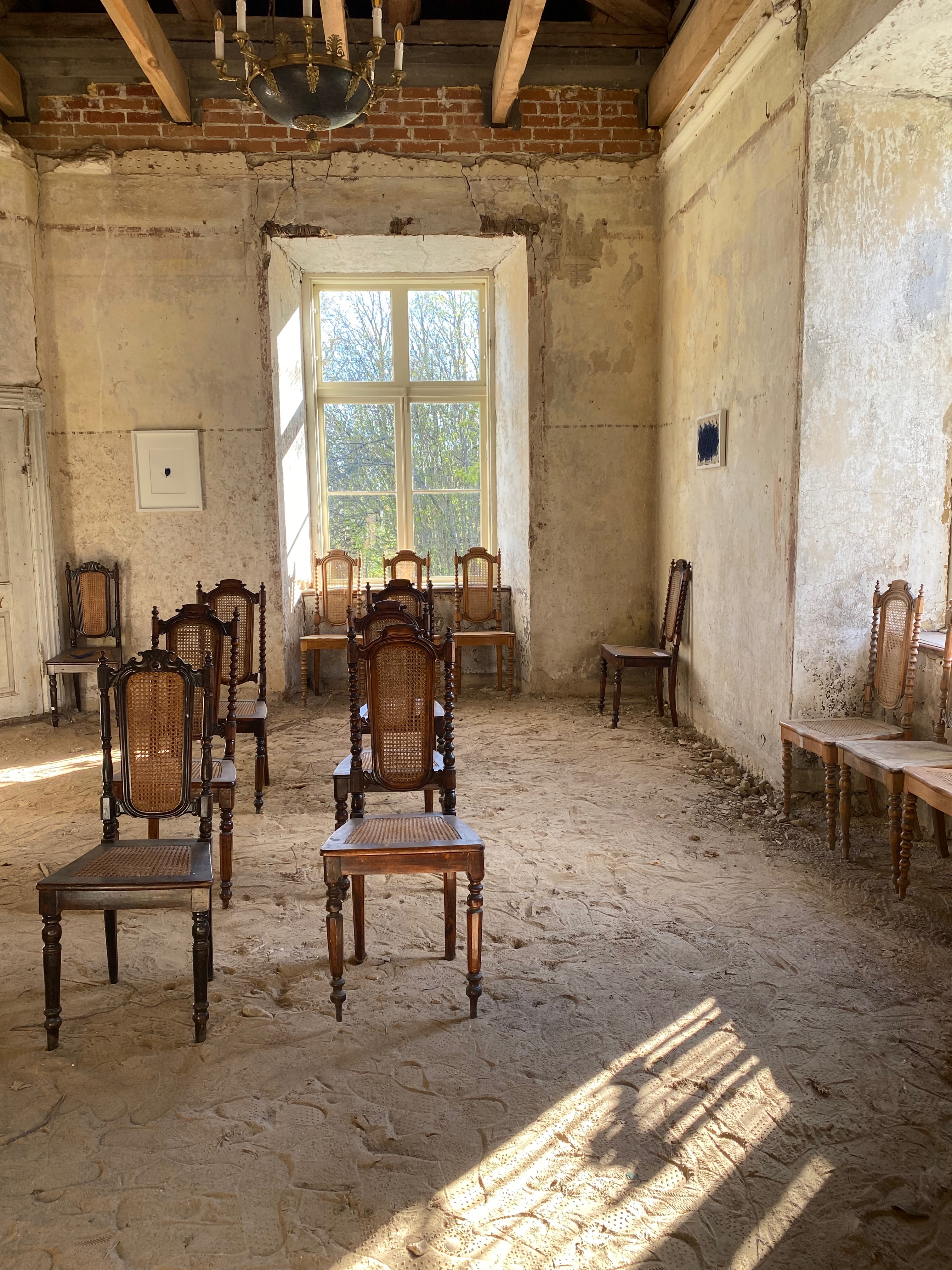
Royal Blue (2026)
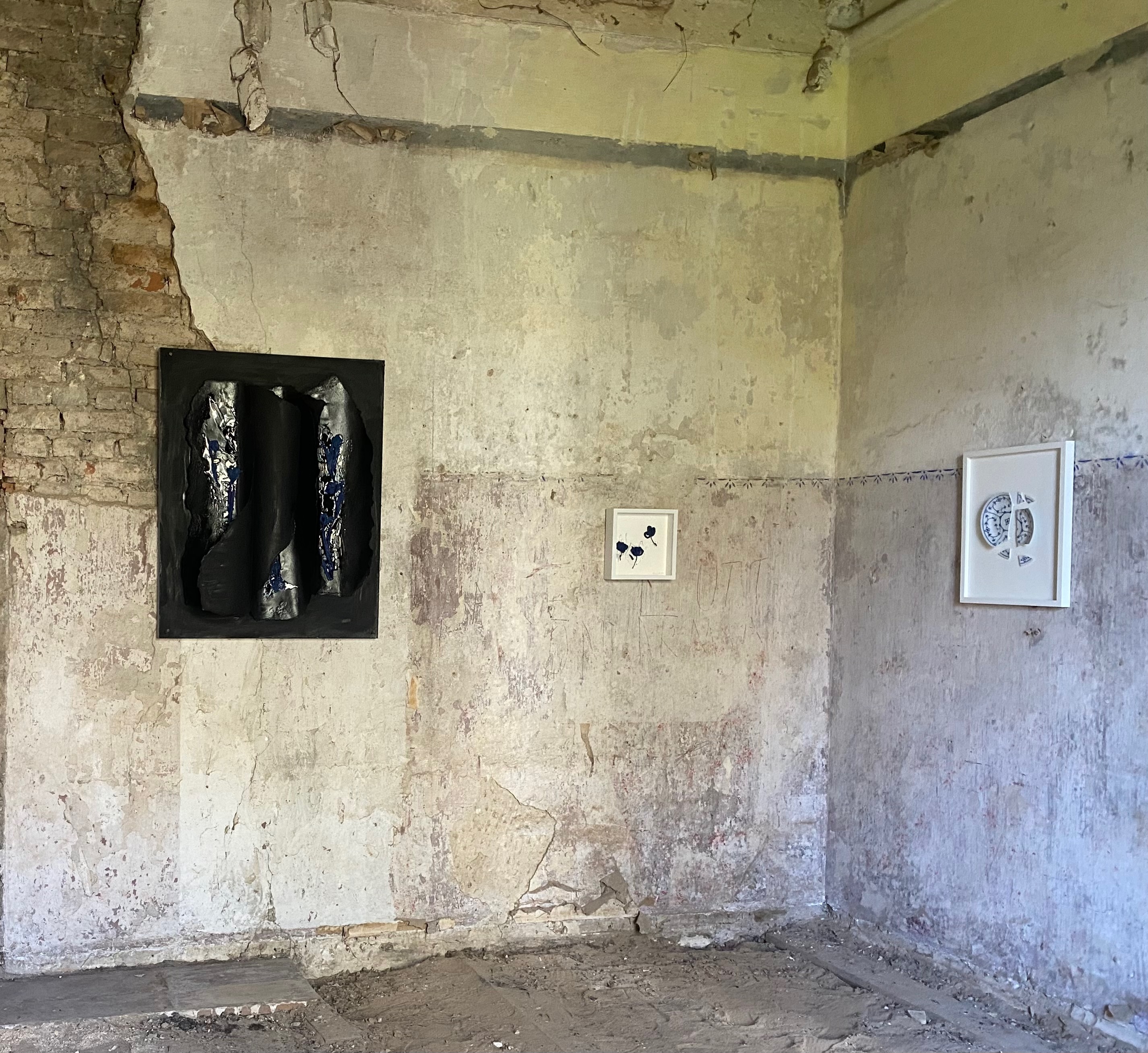
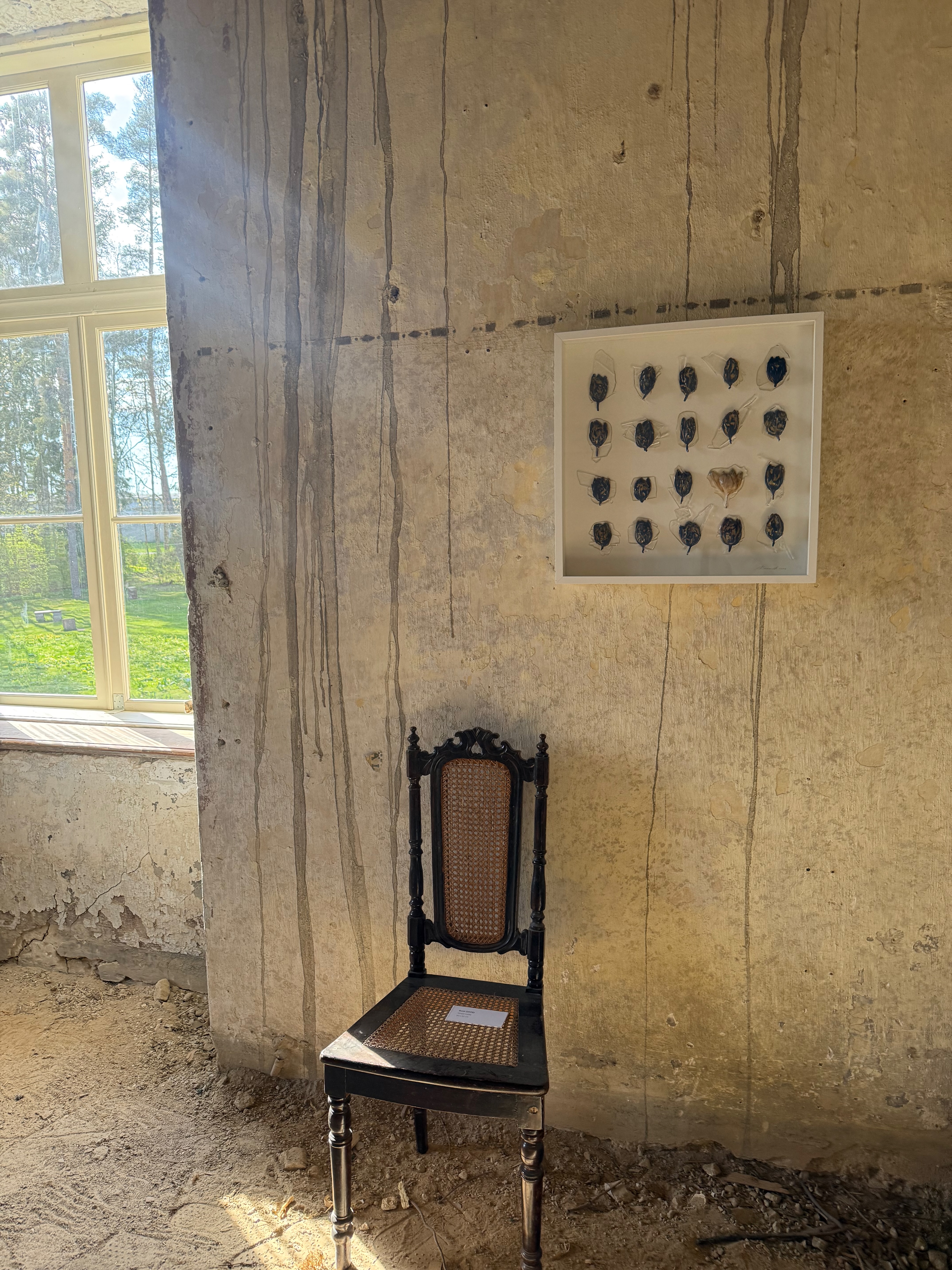
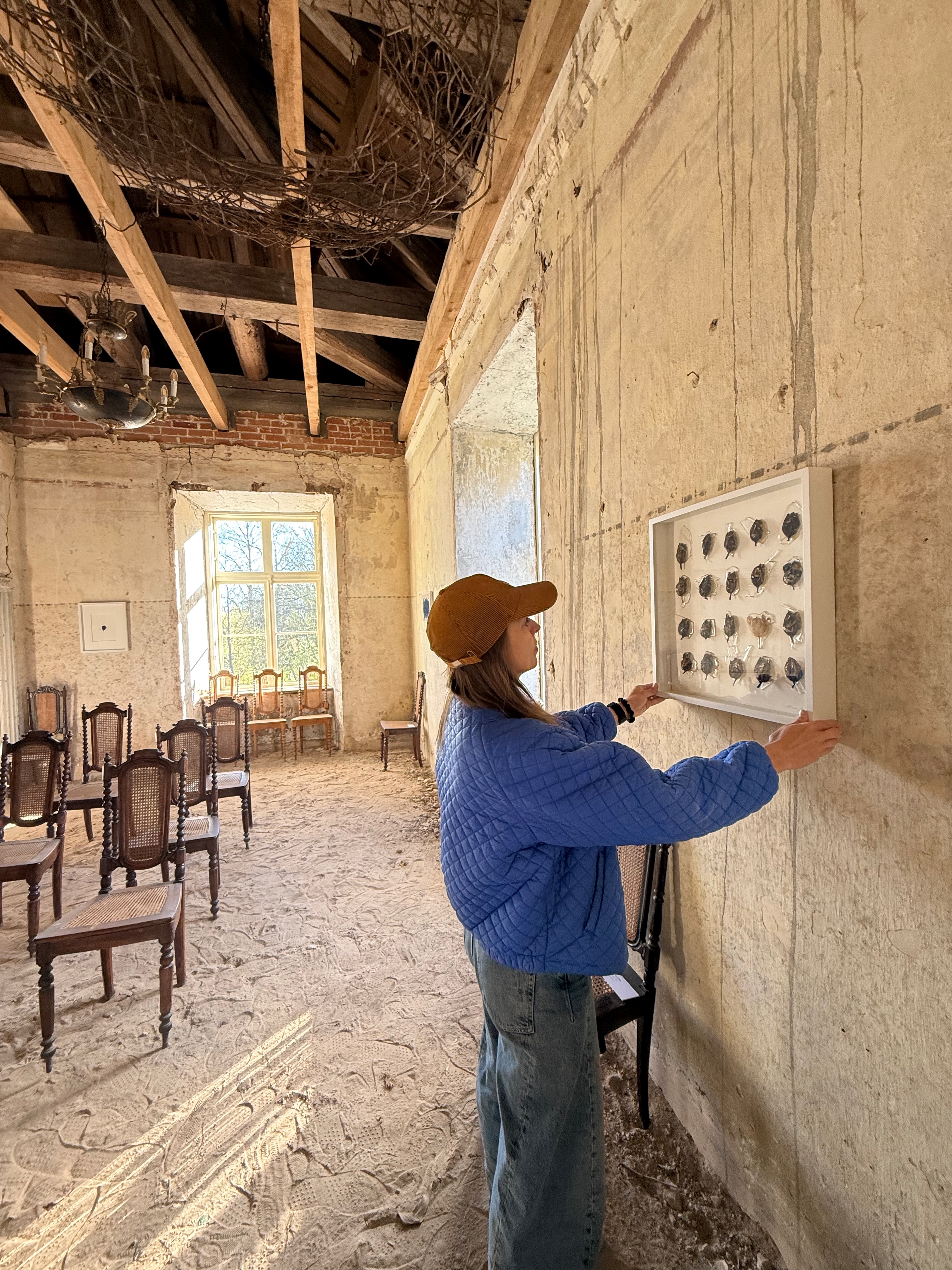
Site-specific exhibition at the Tulip Festival, Kirna Manor, Estonia.
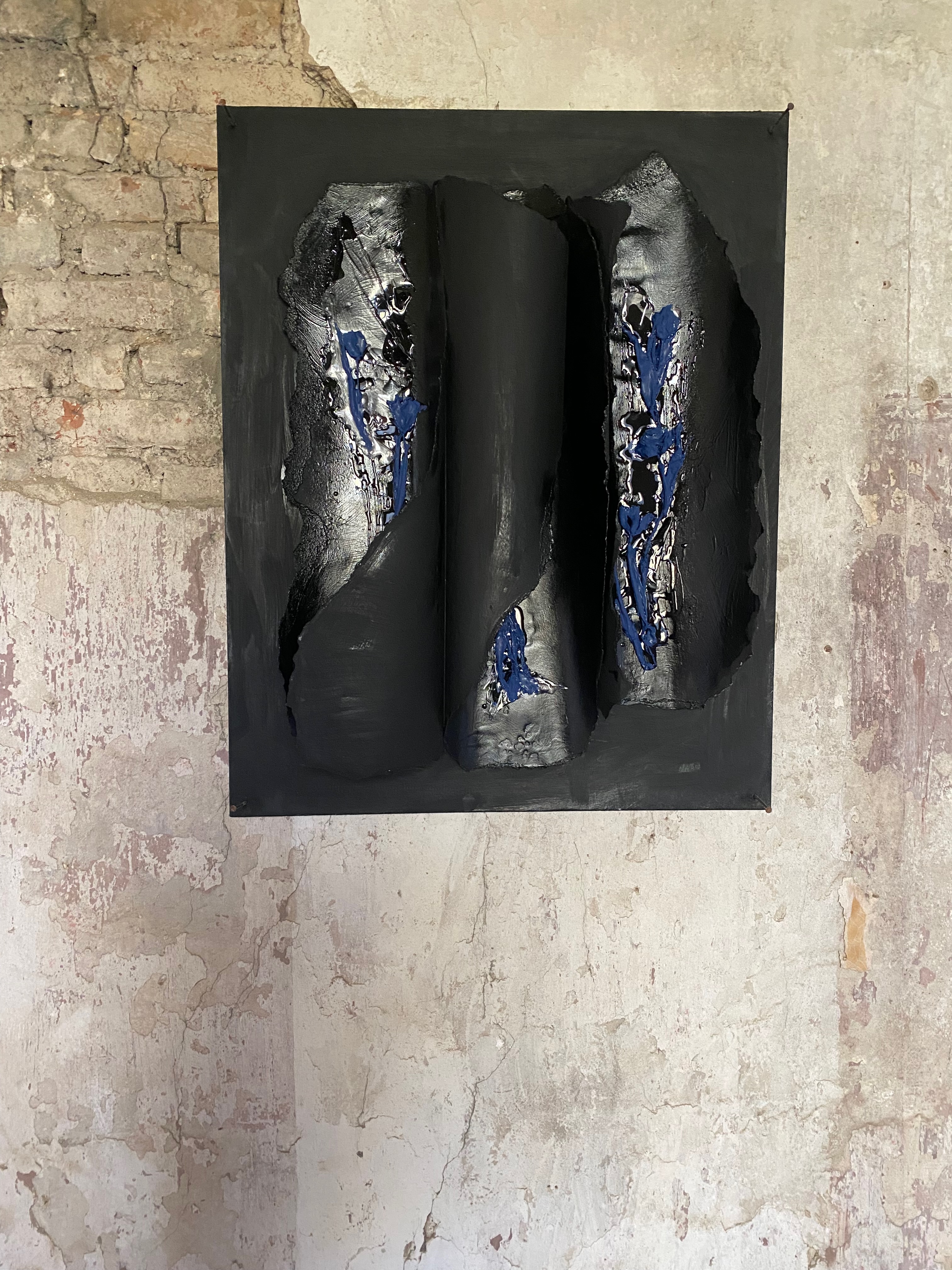
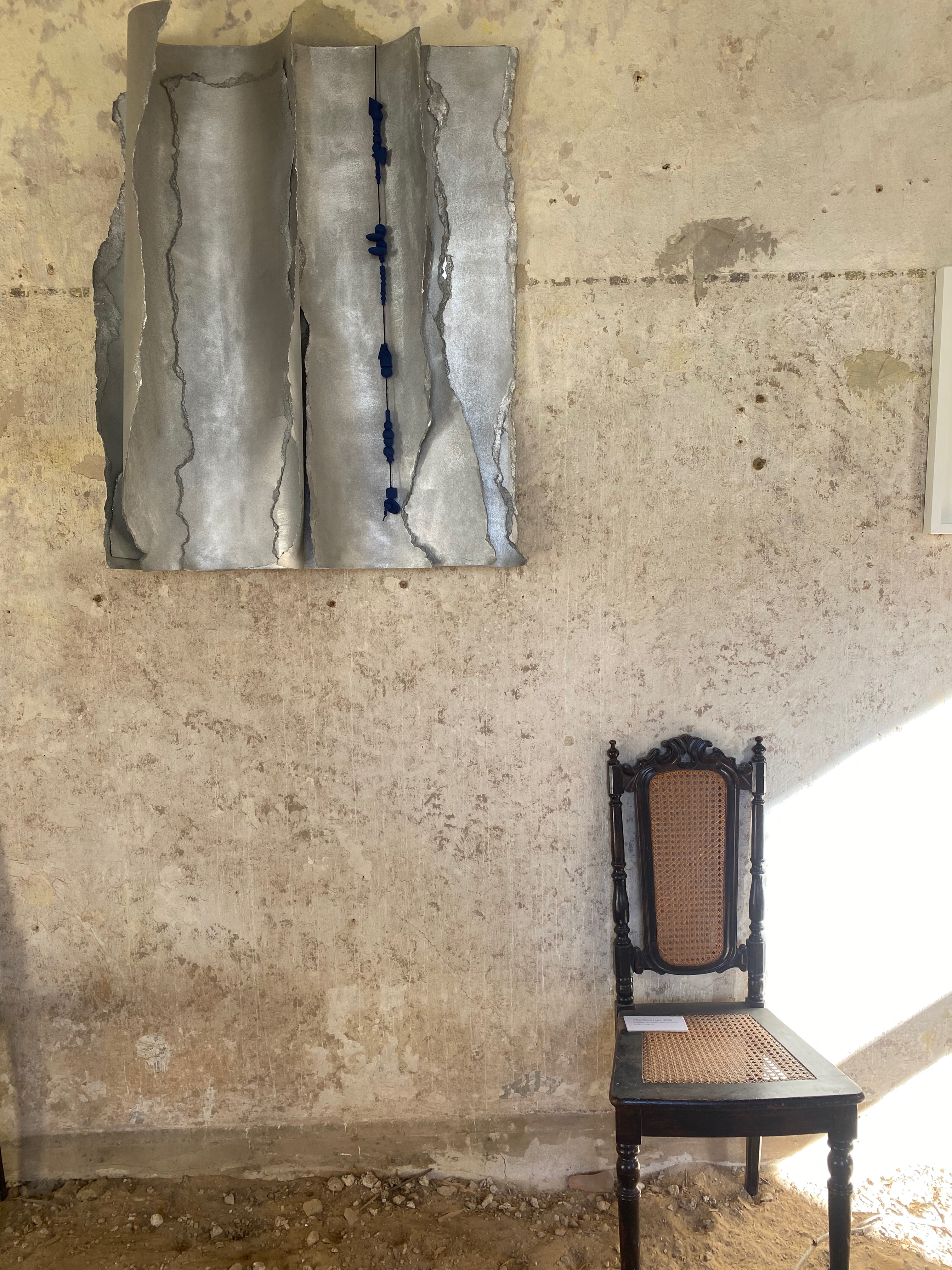
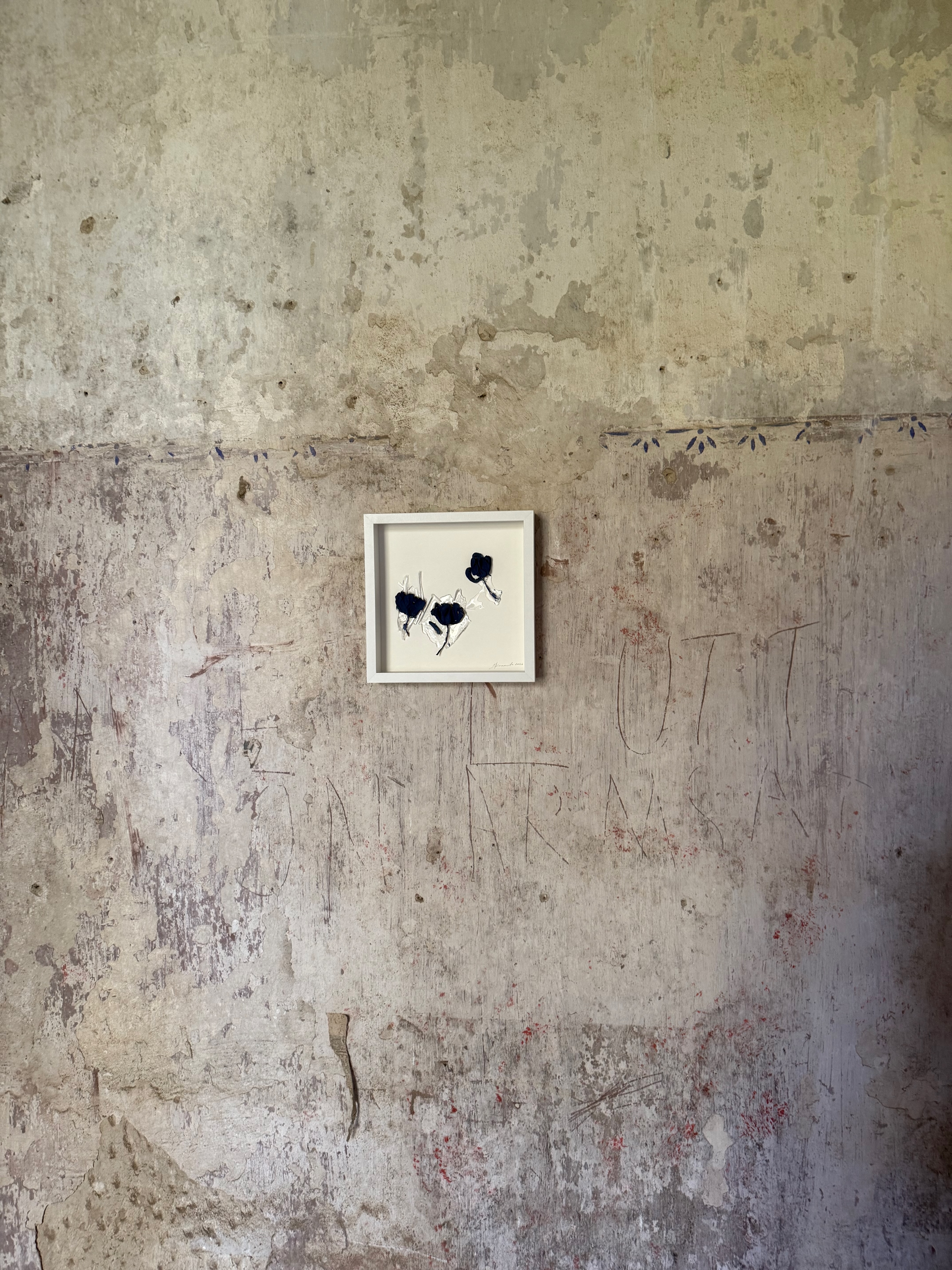
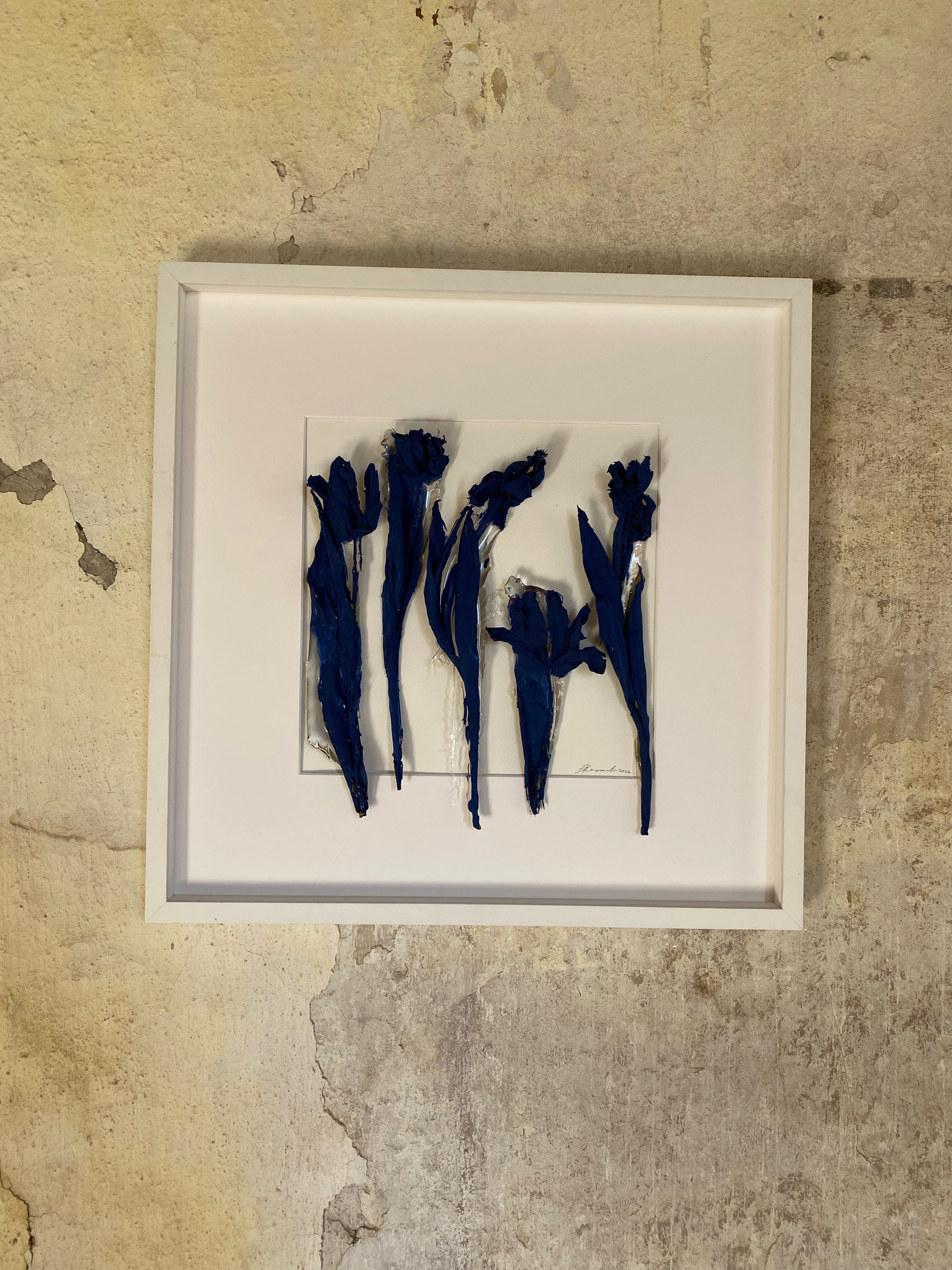
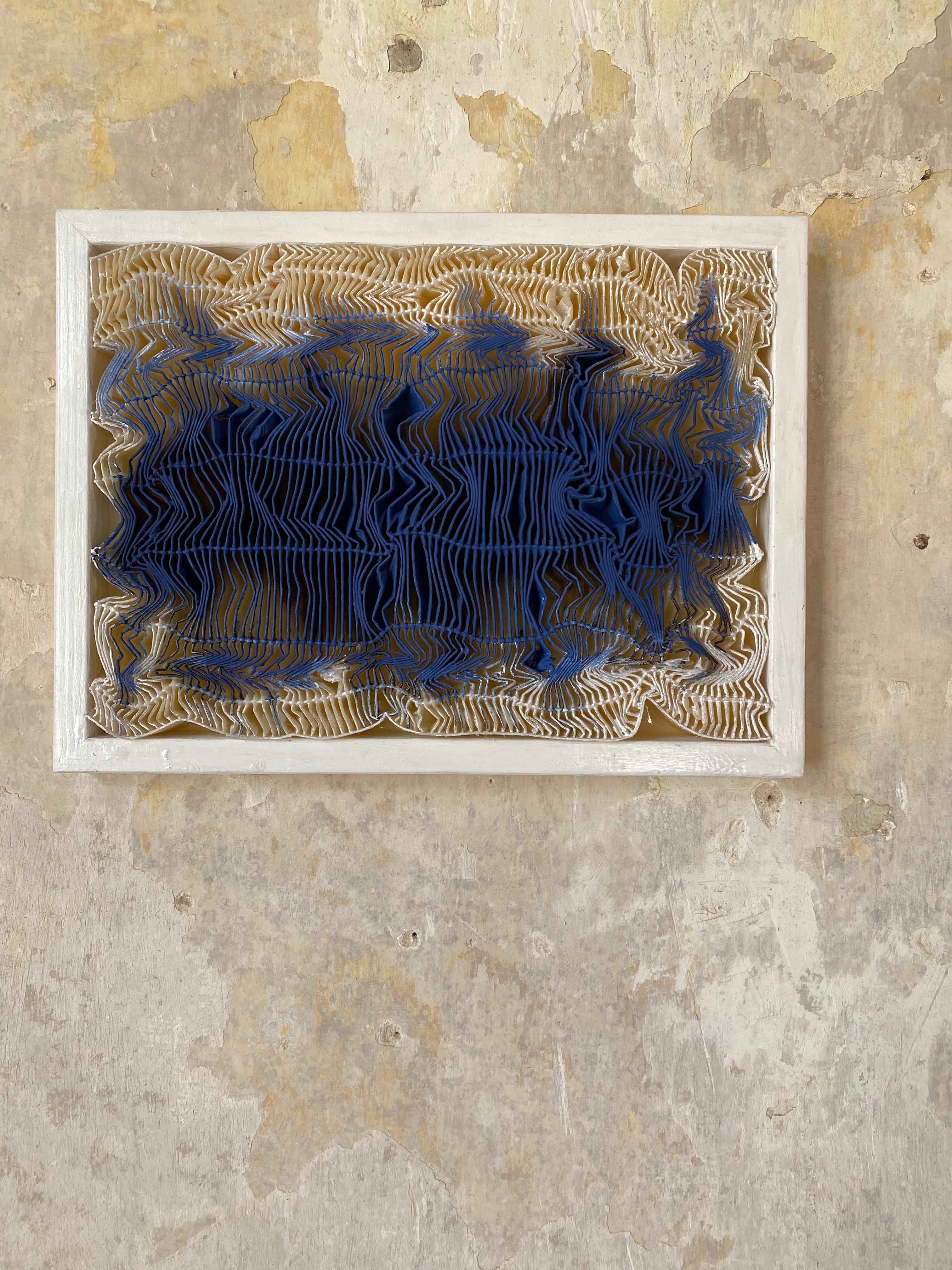
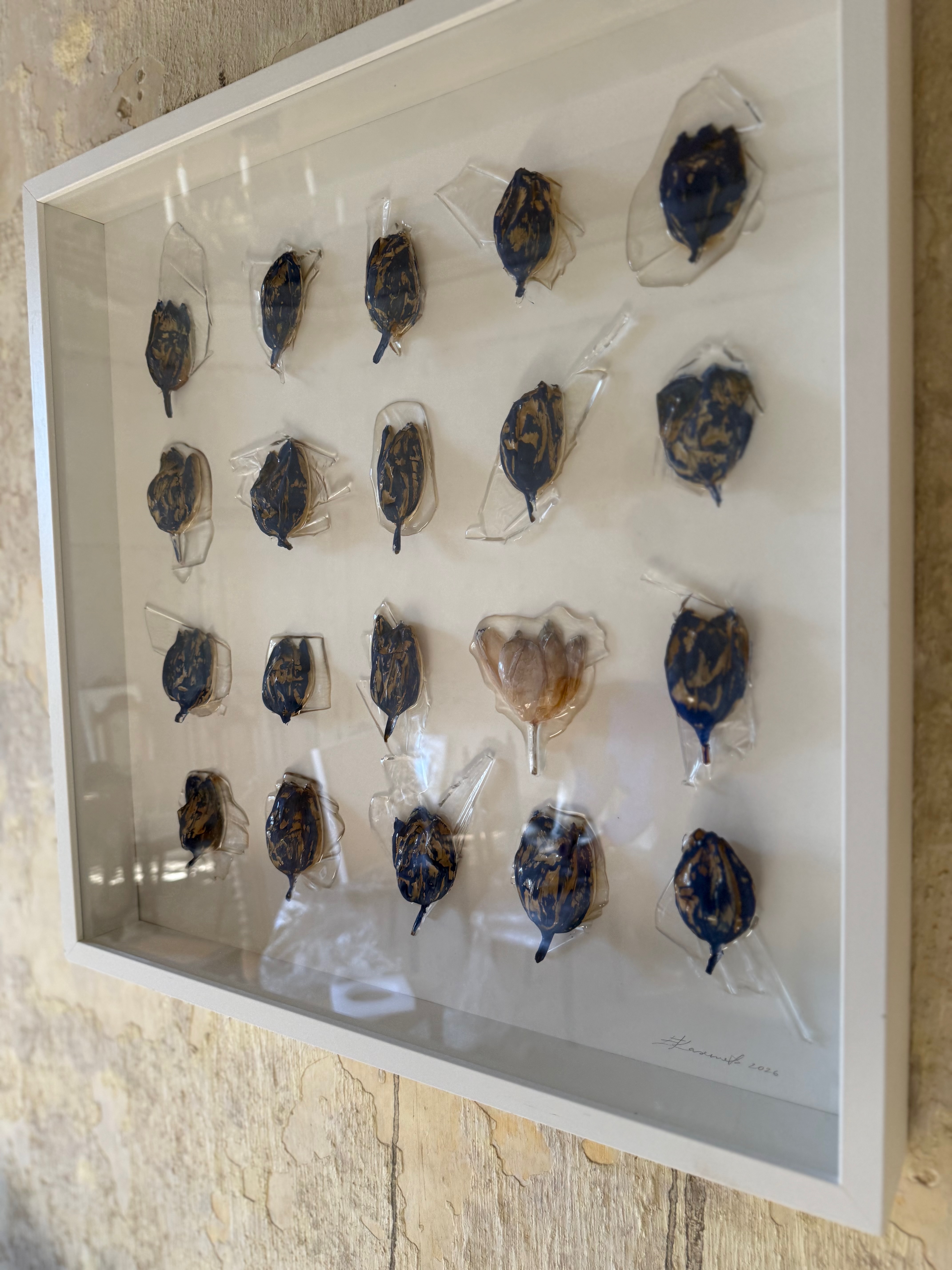
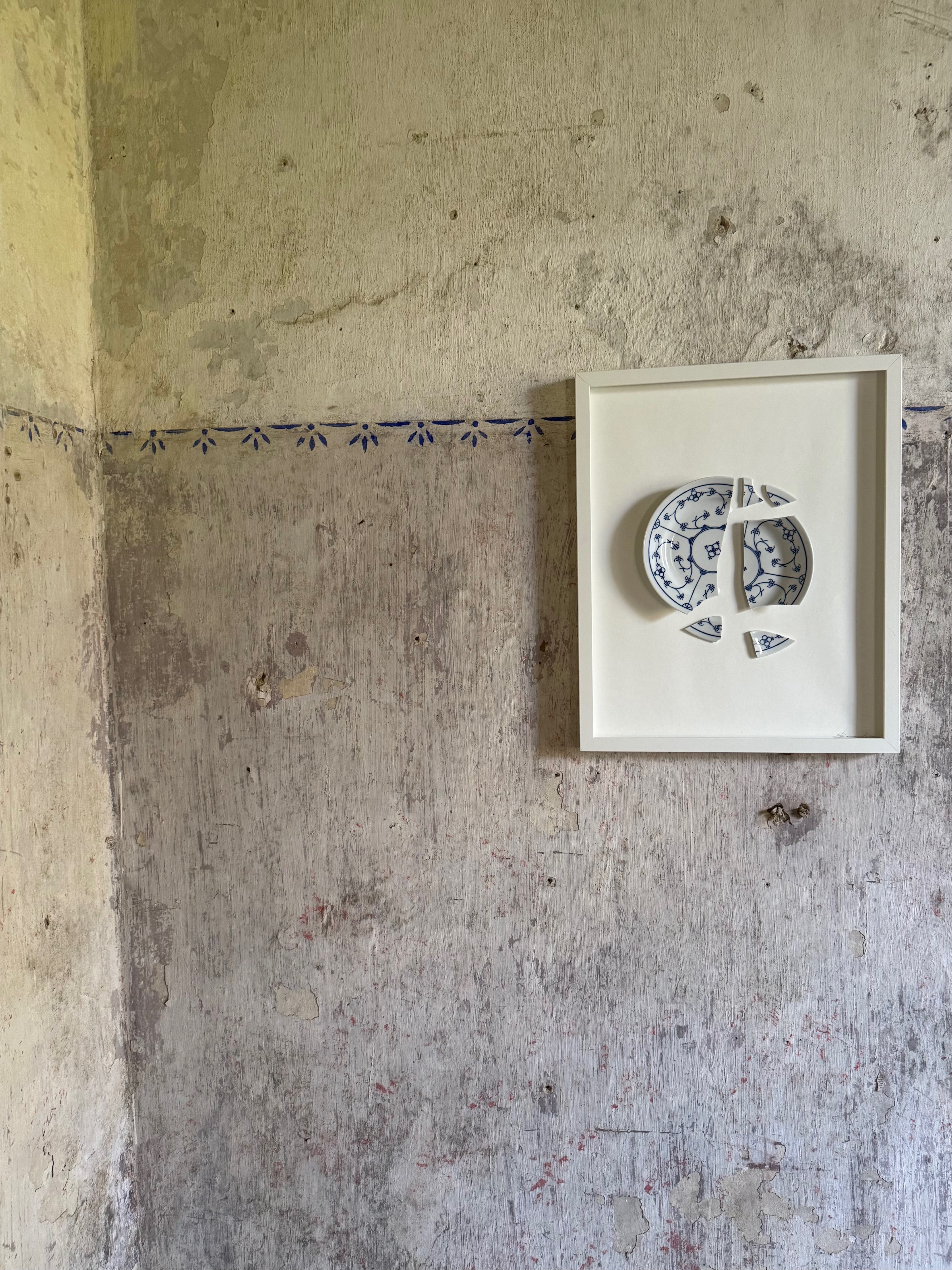
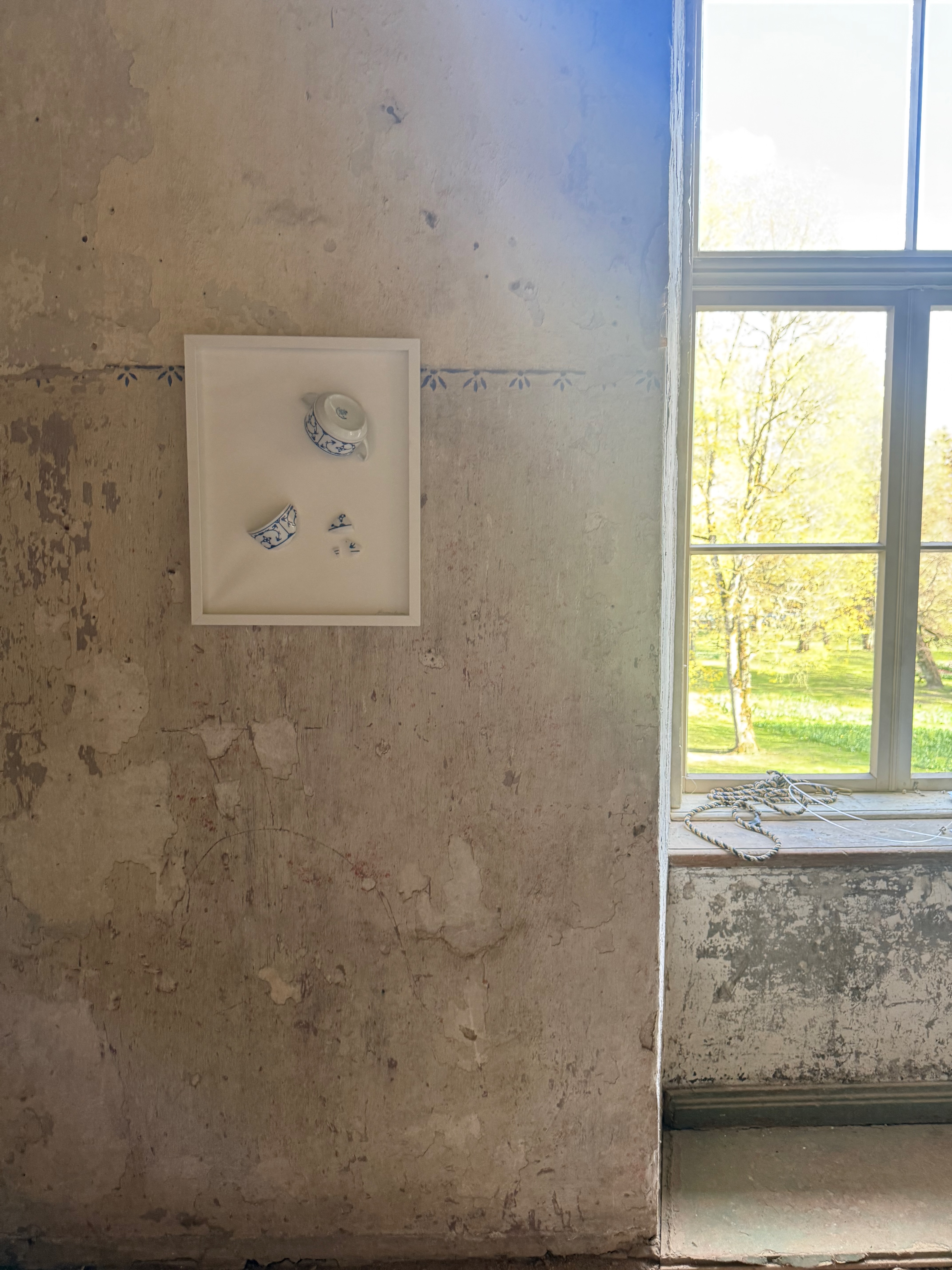
In the works created for Kirna Manor, the colour blue moves as a carrier of beauty, memory and fragility. Royal Blue initially suggests dignity, ceremony and status; at the same time, blue also carries coolness, silence, longing and sorrow. This duality creates a field of tension within the works: something can be ceremonial and broken, beautiful and vulnerable, preserved and disappearing all at once.
In the history of colour, Royal Blue is, according to legend, associated with Queen Charlotte of England, for whom an exceptionally dignified shade of blue fabric was supposedly sought. From this royal point of origin, blue has over time moved into a much broader field of meaning; it has been the colour of power, loyalty and holiness, as well as melancholy, distance and silence.
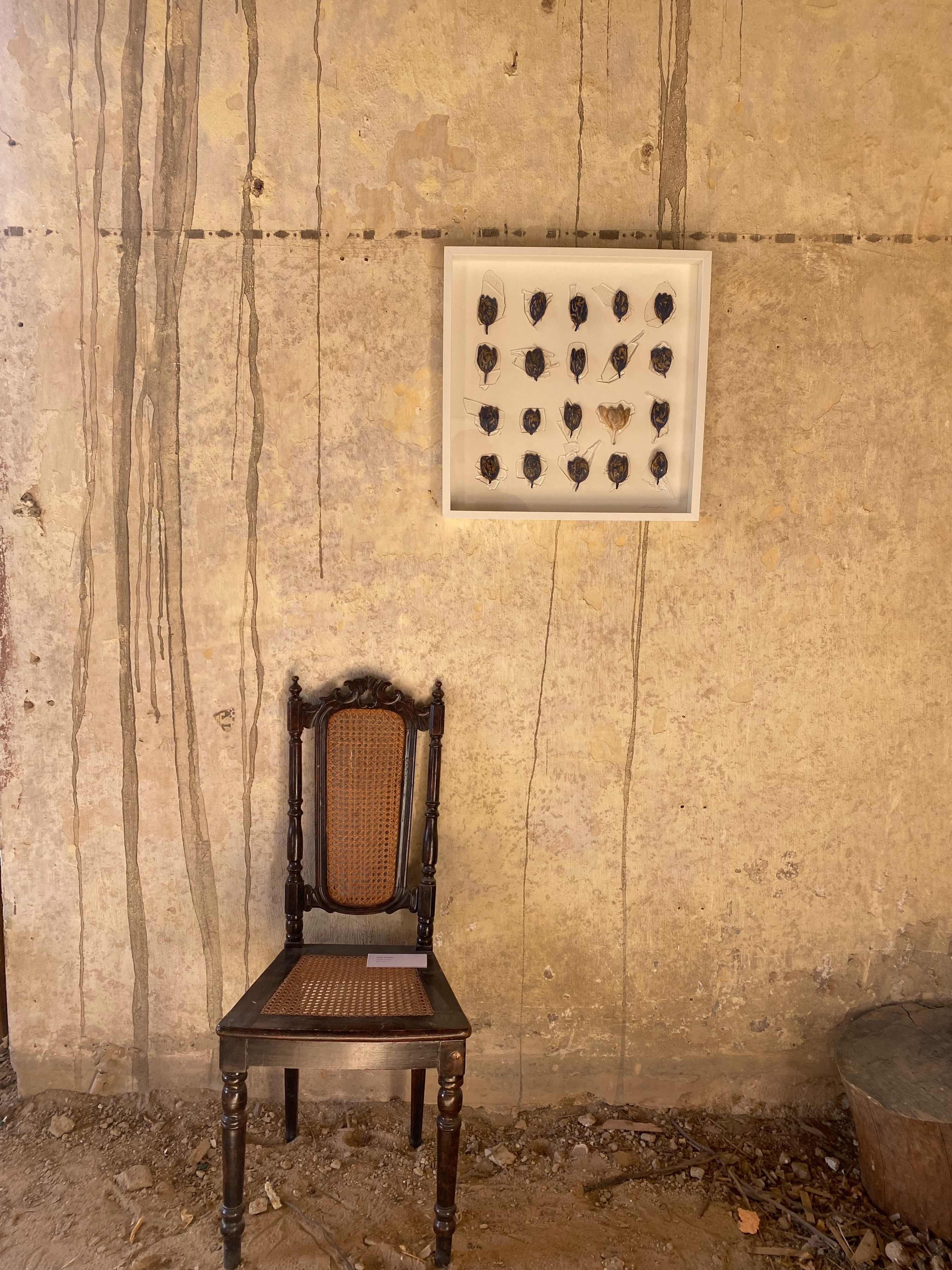
In these works, royalty does not appear as splendour or power, but as fragile dignity. Blue connects blooming and decay, porcelain and plant, preservation and disappearance. It does not conceal what is broken, but allows it to remain visible; held, framed, suspended or transformed into memory.
In the setting of Kirna Manor and the Tulip Festival, Royal Blue becomes a quiet counterpoint to the abundance of spring. It brings a sense of transience into the act of blooming, and a gentle melancholy alongside ceremony. Here, blue signifies not only beauty, but also what remains after flowering: a trace, a shadow, the dignity of fragments and a quiet longing.